Panner’s Disease and Osteochondrosis of Capitellum of Humerus

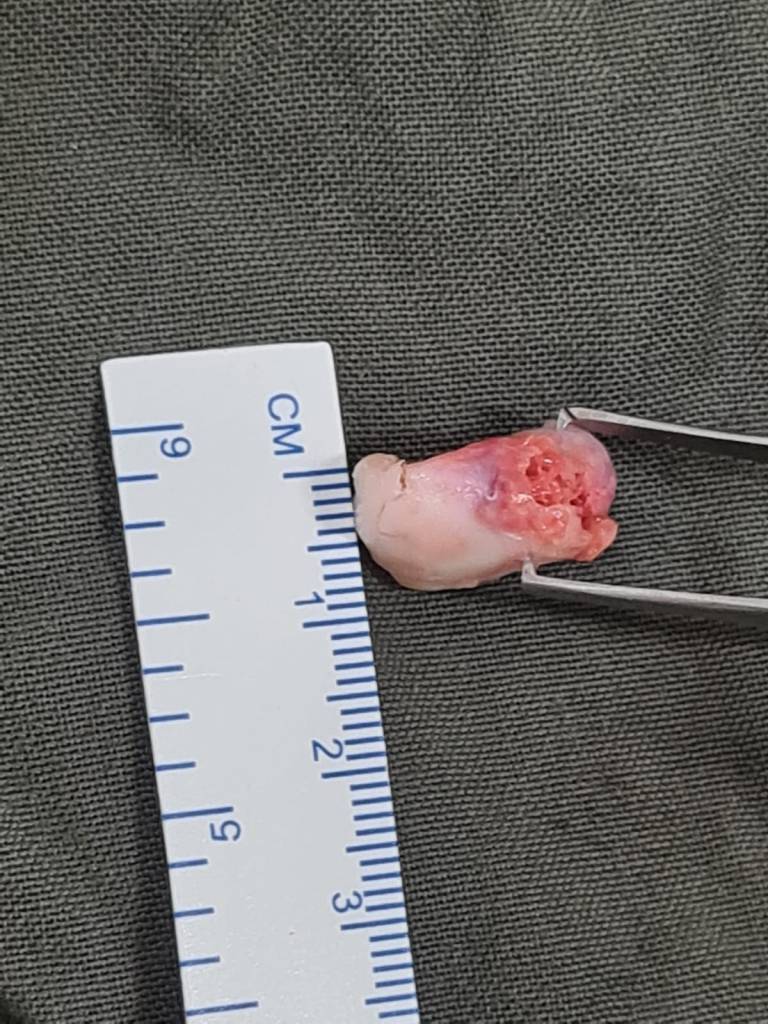
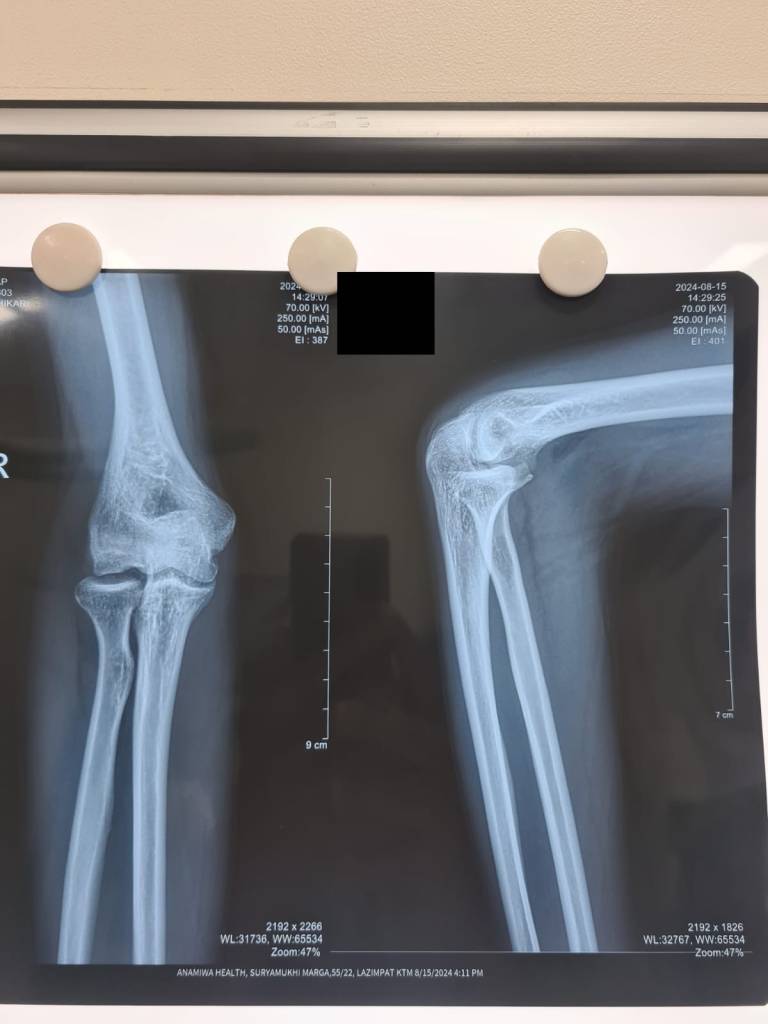
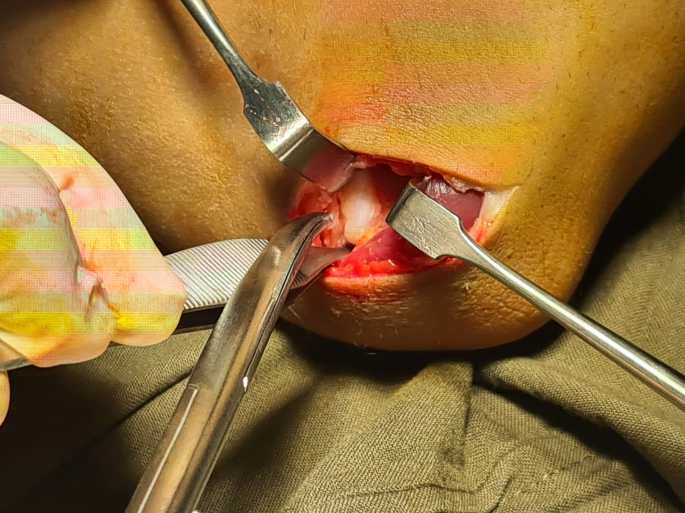
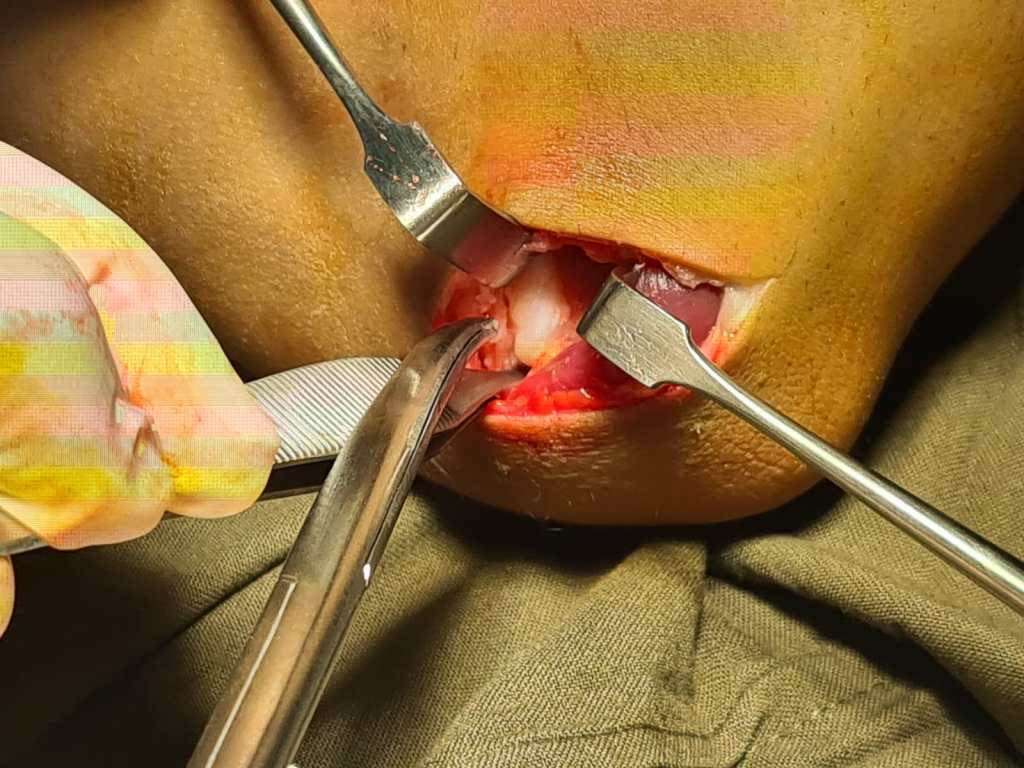
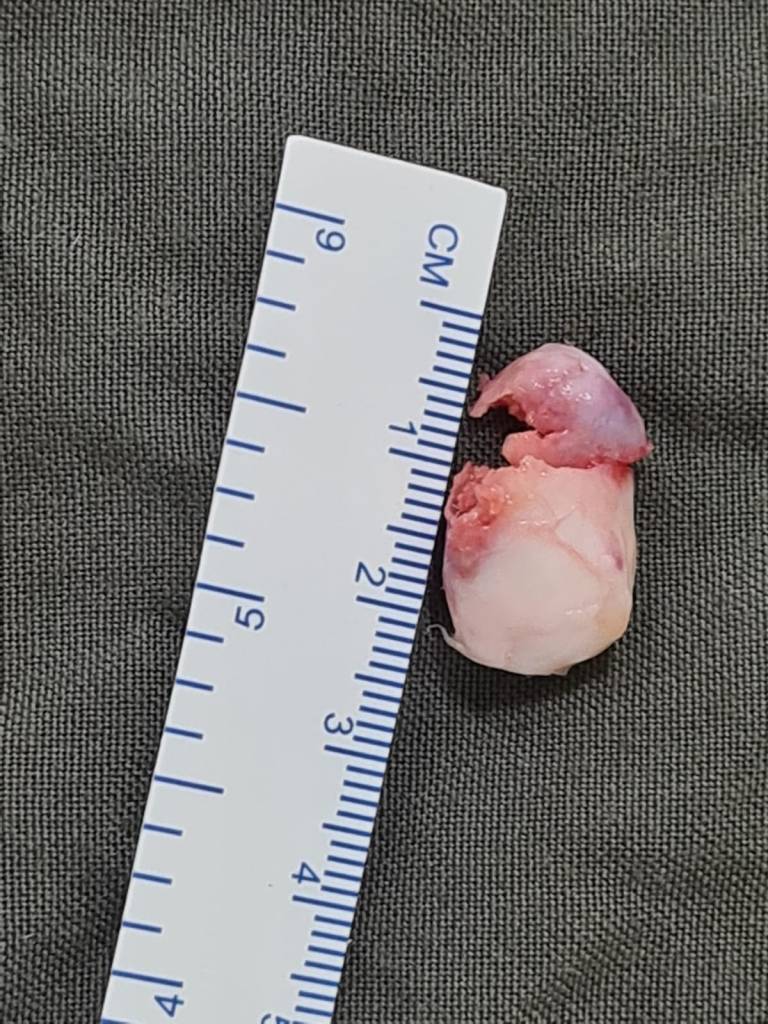
A young man with previous history of Panner’s disease presented at our clinic. The patient experienced a locking sensation in his elbow during movement. No obvious deformity such as an osteochondrosis was observed via X-ray imaging. However, during clinical examination, the orthopaedic team noted a disturbance during movement in the joint. After consideration of the patient’s history, we decided to perform a surgical exploration, during which the osteochondral fragment was successfully identified and removed. Panner’s disease, which refers to osteochondrosis of the capitellum of the humerus, is observed in children between ages 4 to 10, and is typically self-limiting. In this particular individual, the disease was not resolved; instead, the osteochondrosis remained loose in the joint, creating a locking sensation in the joint during movement.

This case highlights the importance of high-quality clinical examination. Even or especially when X-ray or other imaging does not corroborate the patient’s complaints, nothing can replace attentive clinical examination.

Treatment Team: Dr. Chakra Raj Pandey; Dr. Rajiv Baral; Dr. Ram Thapa; Dr. Neerab Shrestha
© The information and pictures made available above are the copyrighted property of Anamiwa Health and cannot be used for any purpose without the express written permission of Anamiwa Health.

Prior Acetabulum Fracture Treated with Hip Replacement

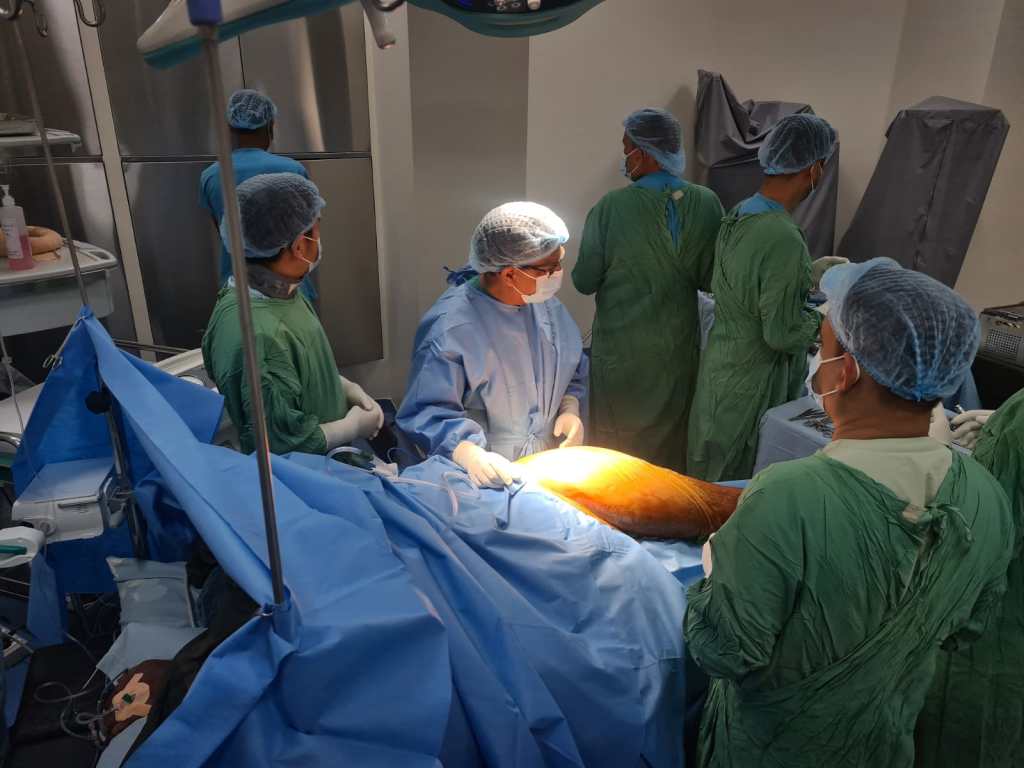
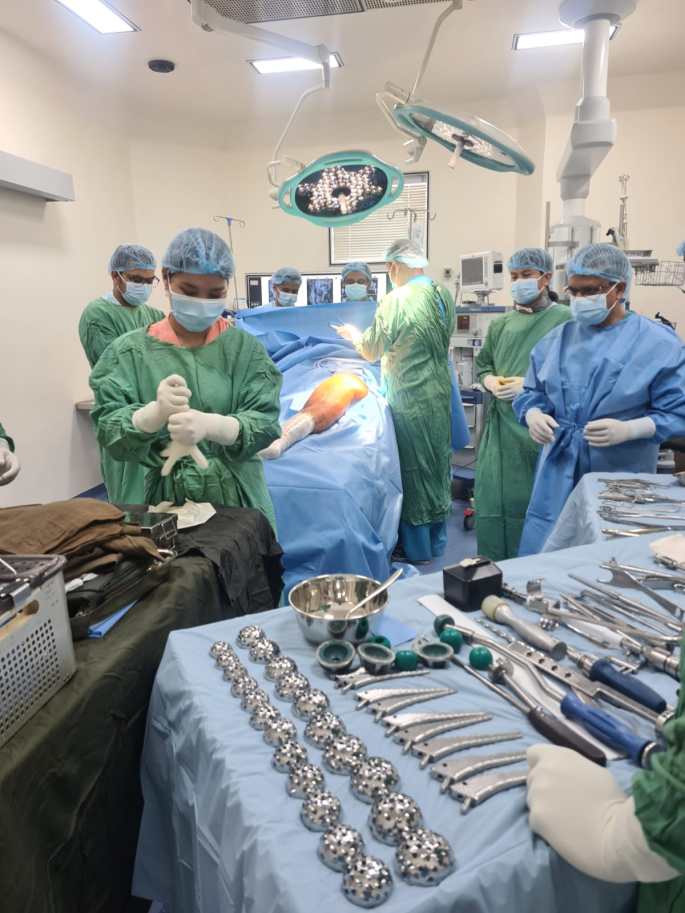
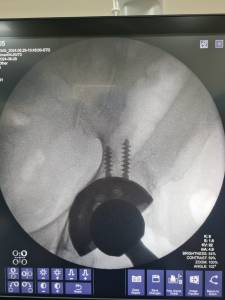
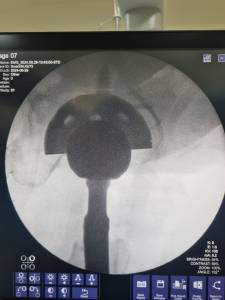
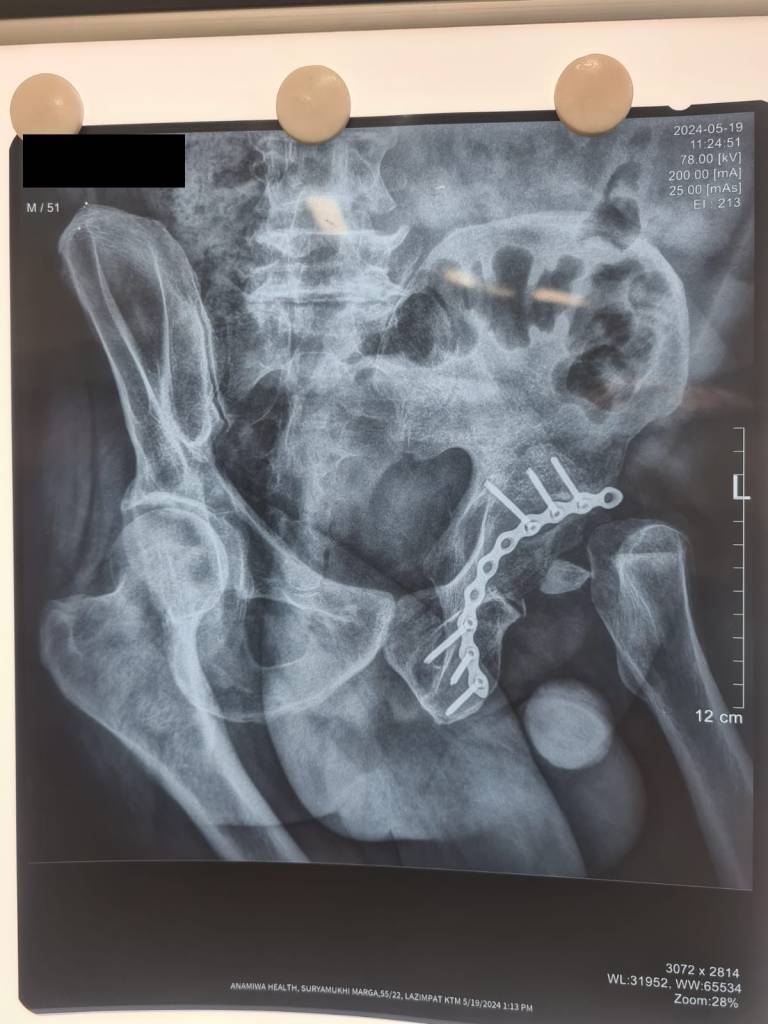
This 50-year-old gentleman had previously undergone surgical treatment for an acetabulum fracture in India. The patient presented with pain and instability of the left hip and shortening of the left limb. X-ray imaging revealed complete absence of the femoral head, and the presence of bone fragments in the acetabulum. We then performed a CT scan to find irregularities in the posterior wall as well as insufficiency of the medial wall of the acetabulum. After proper evaluation, we decided to perform surgical intervention. We successfully performed total hip replacement with ceramic and high-density, highly cross-linked polyethylene, porous-coated total hip arthroplasty.

We equalized the patient’s limb length. The patient is incredibly happy to be painfree following the hip replacement, and very grateful to Anamiwa Health’s orthopaedic team. The patient was mobilized with the help of a walker immediately in the first post-operative day.

Technology Used: Zimmer Trilogy IT Acetabular System; Highly-Crosslinked Liner; Zimmer M/L Taper Hip Prosthesis

Treatment Team: Dr. Chakra Raj Pandey; Dr. Rajiv Baral; Dr. Ram Thapa; Dr. Neerab Shrestha
© The information and pictures made available above are the copyrighted property of Anamiwa Health and cannot be used for any purpose without the express written permission of Anamiwa Health.
Training on Assessment of Head Injuries at Anamiwa Health

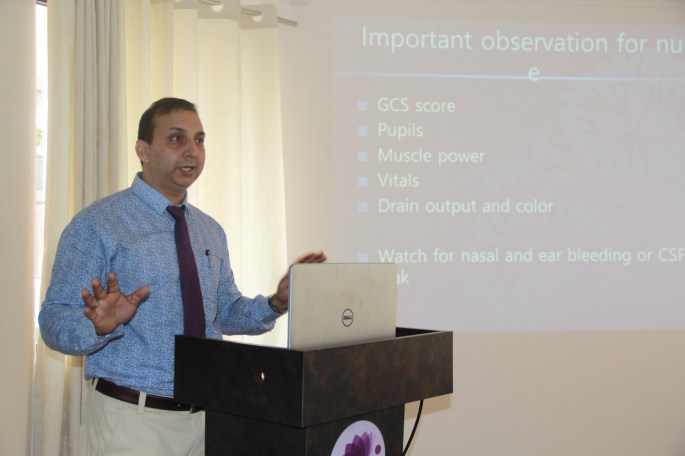
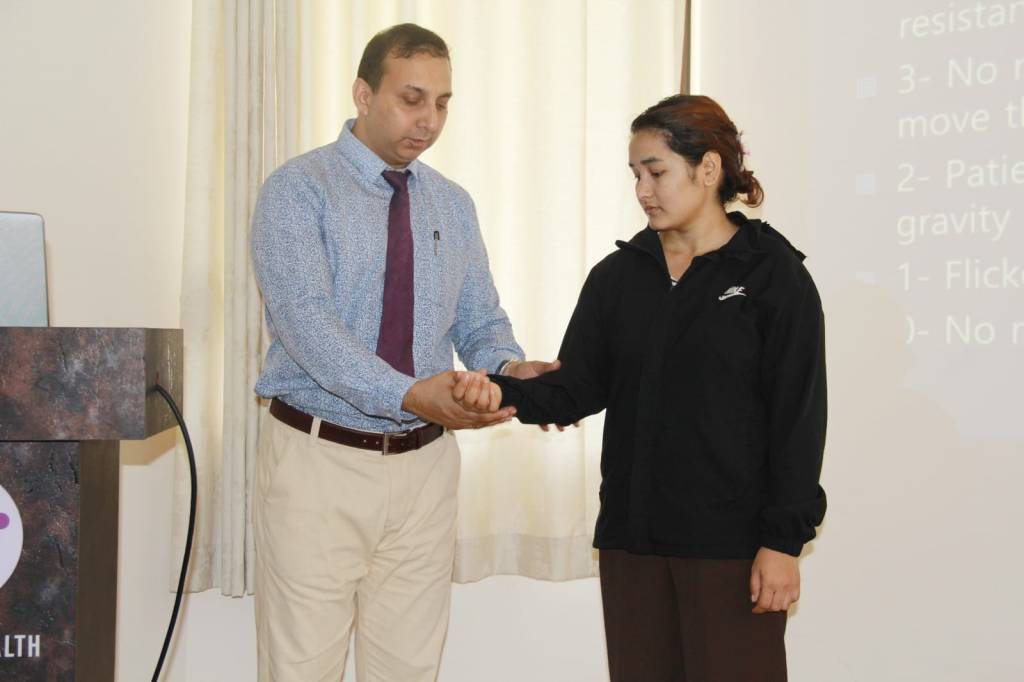
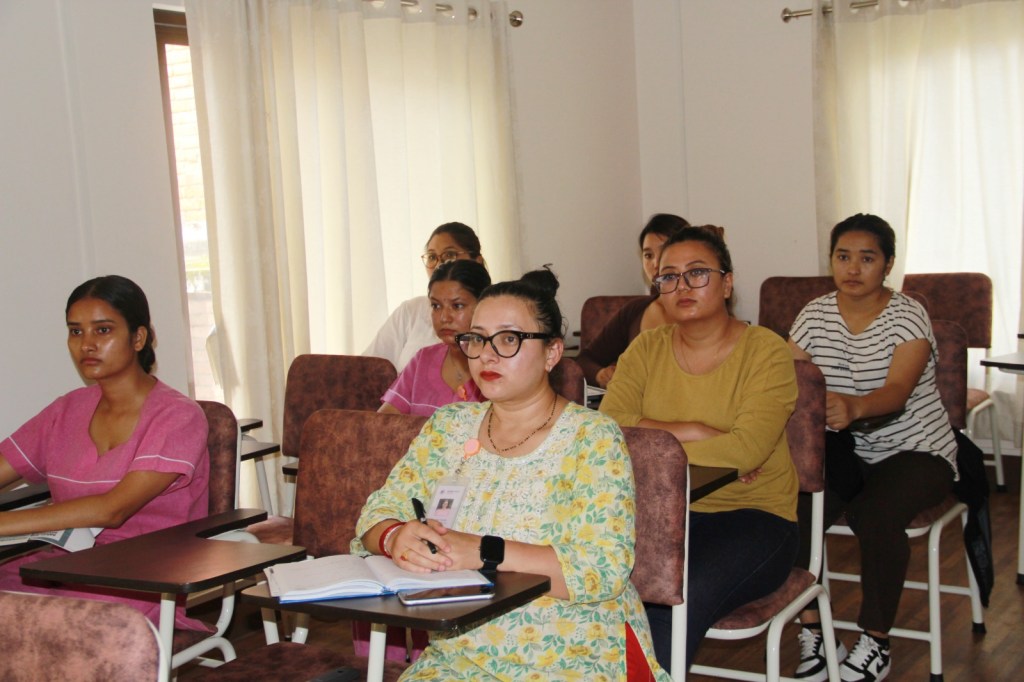
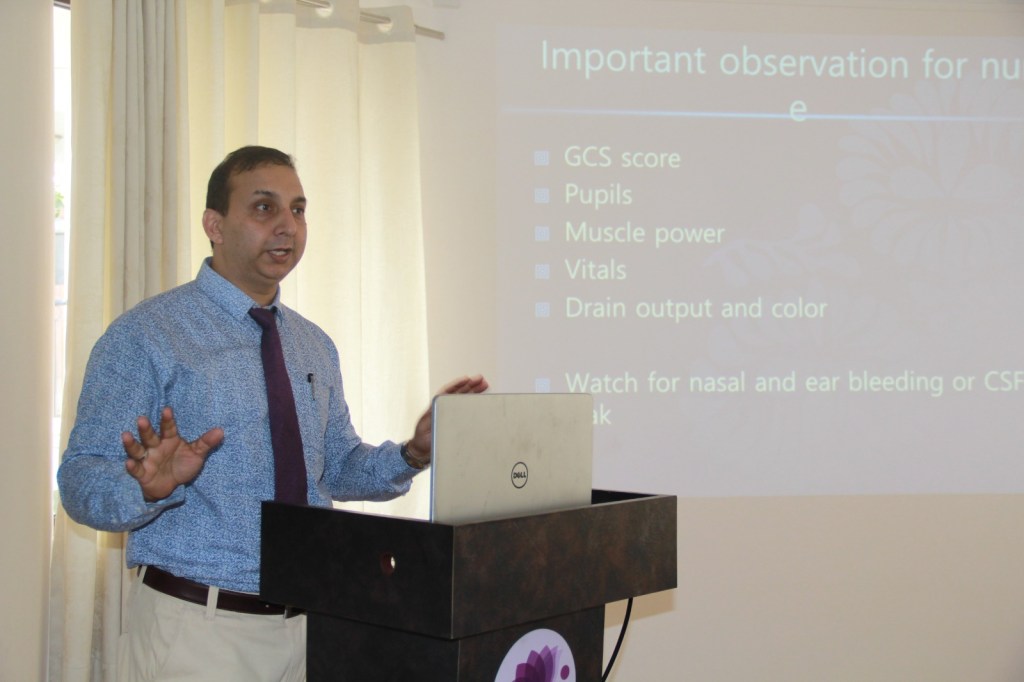
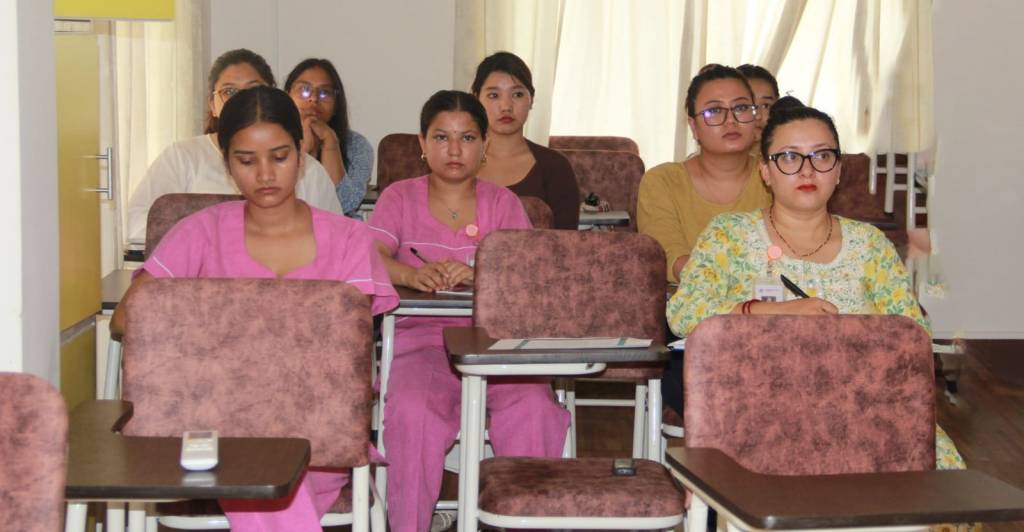
On July 31, 2024, Dr. Abhishek Chaturbedi, consultant neurosurgeon at Anamiwa Health, held an advanced seminar on assessment of head injuries, as well as other injuries causing neurological symptoms, for nursing staff. Traumatic brain injuries and other types of neurological injuries must be recognized and treated in a timely manner. The role of nursing staff in such timely treatment is of paramount importance.

BLS Training at Anamiwa Health

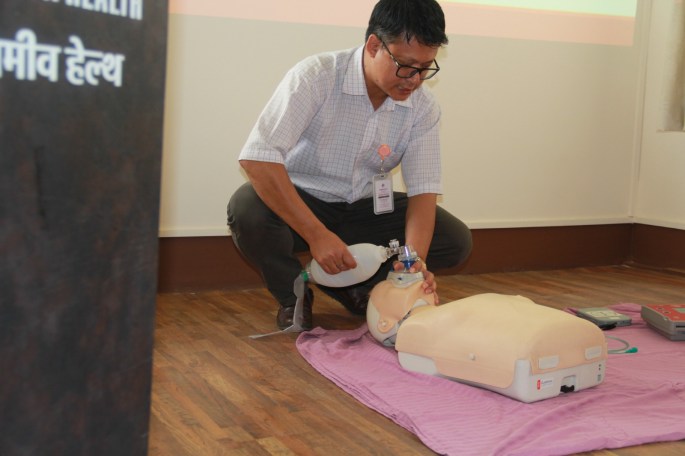
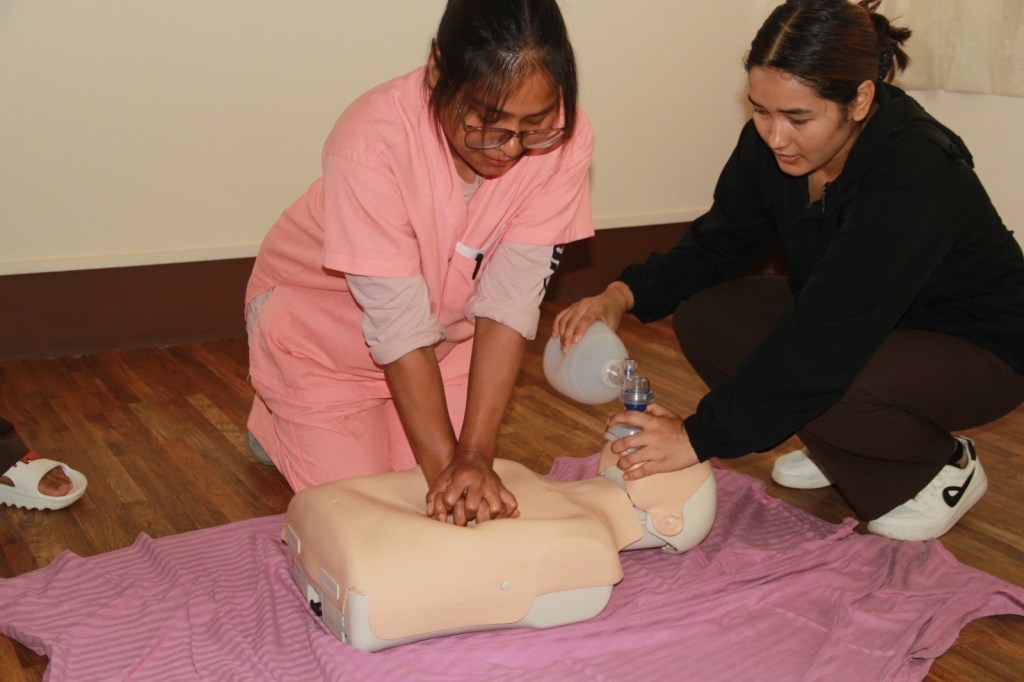
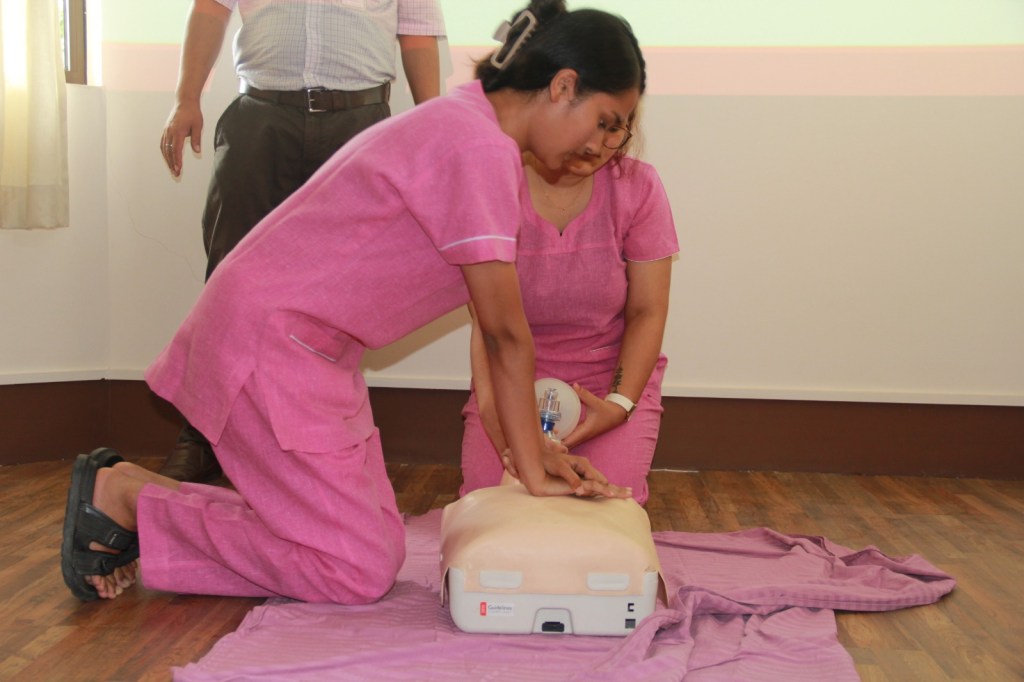
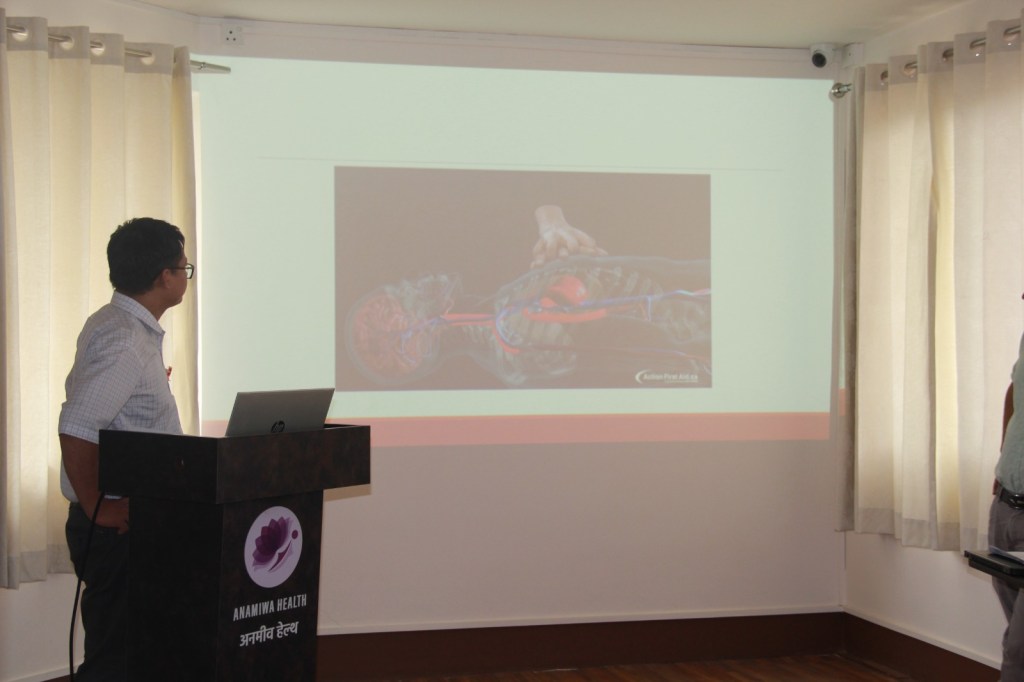
Dr. Prajwol Malla and Dr. Subash Kharel, physicians at Anamiwa Health, conducted Basic Life Support (BLS) training sessions for all medical and non-medical staff at Anamiwa Health on July 28, 2024. The physicians stressed that all able individuals, especially those working in healthcare contexts, should know how to administer Basic Life Support. Such a training can make the difference between a life saved and a life lost in cardiac and other emergencies. Participants received hands-on, practical training on how to operate an AED (Automatic External Defibrillator) and how to administer high-quality CPR.